7 min read
The Story of Madagascar Vanilla: From Orchid to Gourmet Spice
A remarkable journey — from a delicate orchid to one of the world's most prized spices, at the heart of Madagascar.
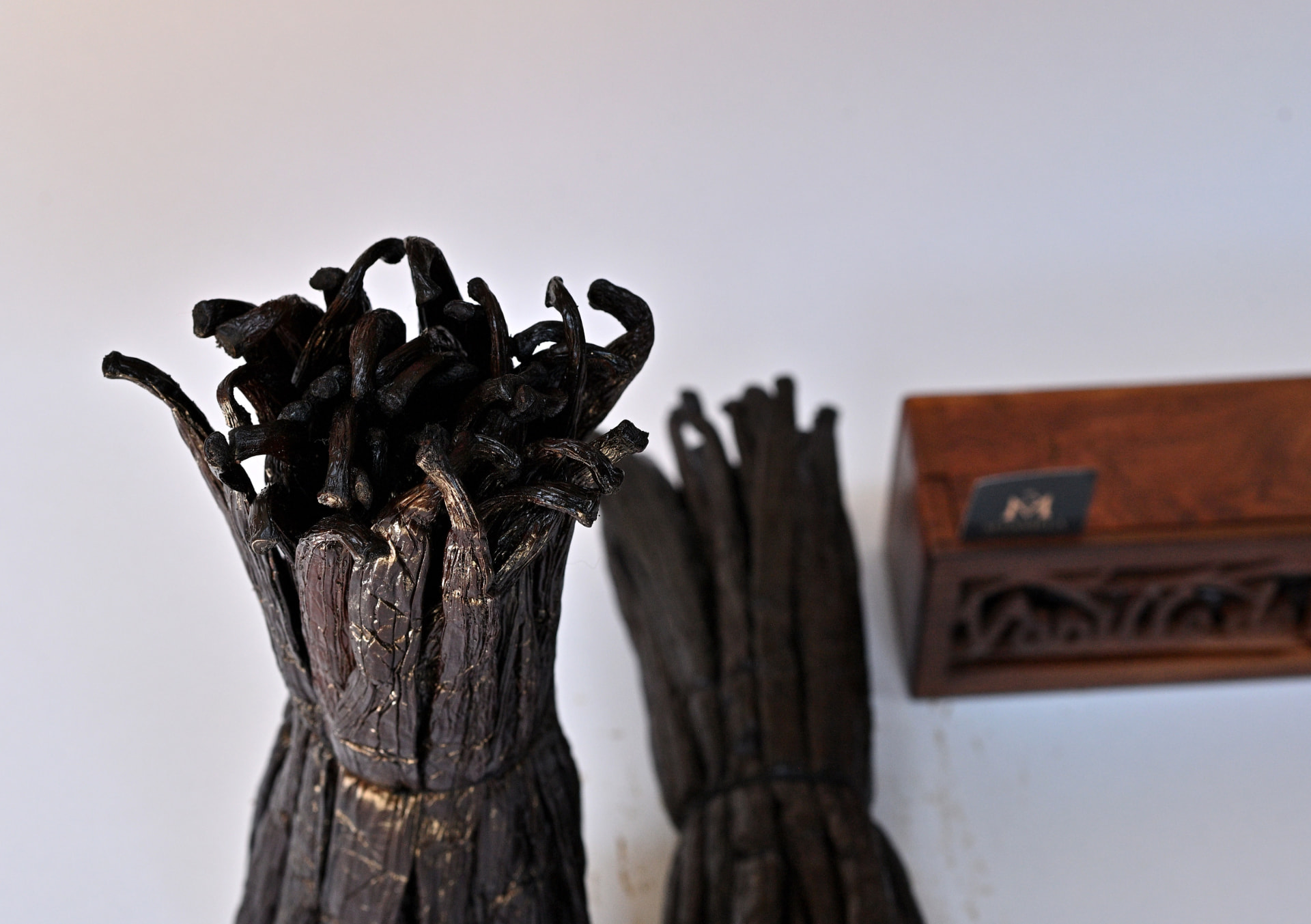
Vanilla is one of the most beloved flavors in the world, found in everything from pastries and ice cream to fine desserts and gourmet beverages. Yet behind this familiar taste lies a remarkable journey — one that begins with a delicate orchid and ends as one of the most prized spices in global cuisine. At the heart of this story is Madagascar, the island nation that produces the majority of the world's premium vanilla.
The Origins of Vanilla
Vanilla comes from a tropical orchid belonging to the Vanilla genus. The plant produces long green pods — commonly known as vanilla beans — that contain thousands of tiny aromatic seeds. Long before vanilla became a global ingredient, it was first cultivated by ancient Mesoamerican civilizations, particularly in what is now Mexico.
For centuries, vanilla remained exclusive to this region because the orchid relied on a specific native bee for pollination. Without this natural pollinator, vanilla plants elsewhere in the world could not produce beans.
The Breakthrough That Changed Vanilla Production
Everything changed in the 19th century with the discovery of manual pollination. This technique made it possible to cultivate vanilla outside of Mexico by carefully pollinating each flower by hand. Even today, this process remains essential to vanilla production.
Because vanilla flowers bloom for only a single day, farmers must pollinate them manually within a short window of time. This delicate process requires patience, skill, and attention — one of the many reasons why vanilla is considered one of the most labor-intensive spices in the world.
Why Madagascar Became the World's Vanilla Capital
Madagascar provides ideal conditions for vanilla cultivation. The island's tropical climate, rich soils, and humid environment allow vanilla orchids to thrive naturally. Over time, the northeastern region of the island — particularly the SAVA region, including Sambava — became the center of vanilla production.
Today, Madagascar produces around 70–80% of the world's natural vanilla supply. The country is especially famous for its Bourbon vanilla, known for its rich aroma, creamy sweetness, and complex flavor profile.
These exceptional qualities make Madagascar vanilla the preferred choice for chefs, pastry professionals, and food manufacturers around the world.
From Green Pod to Aromatic Spice
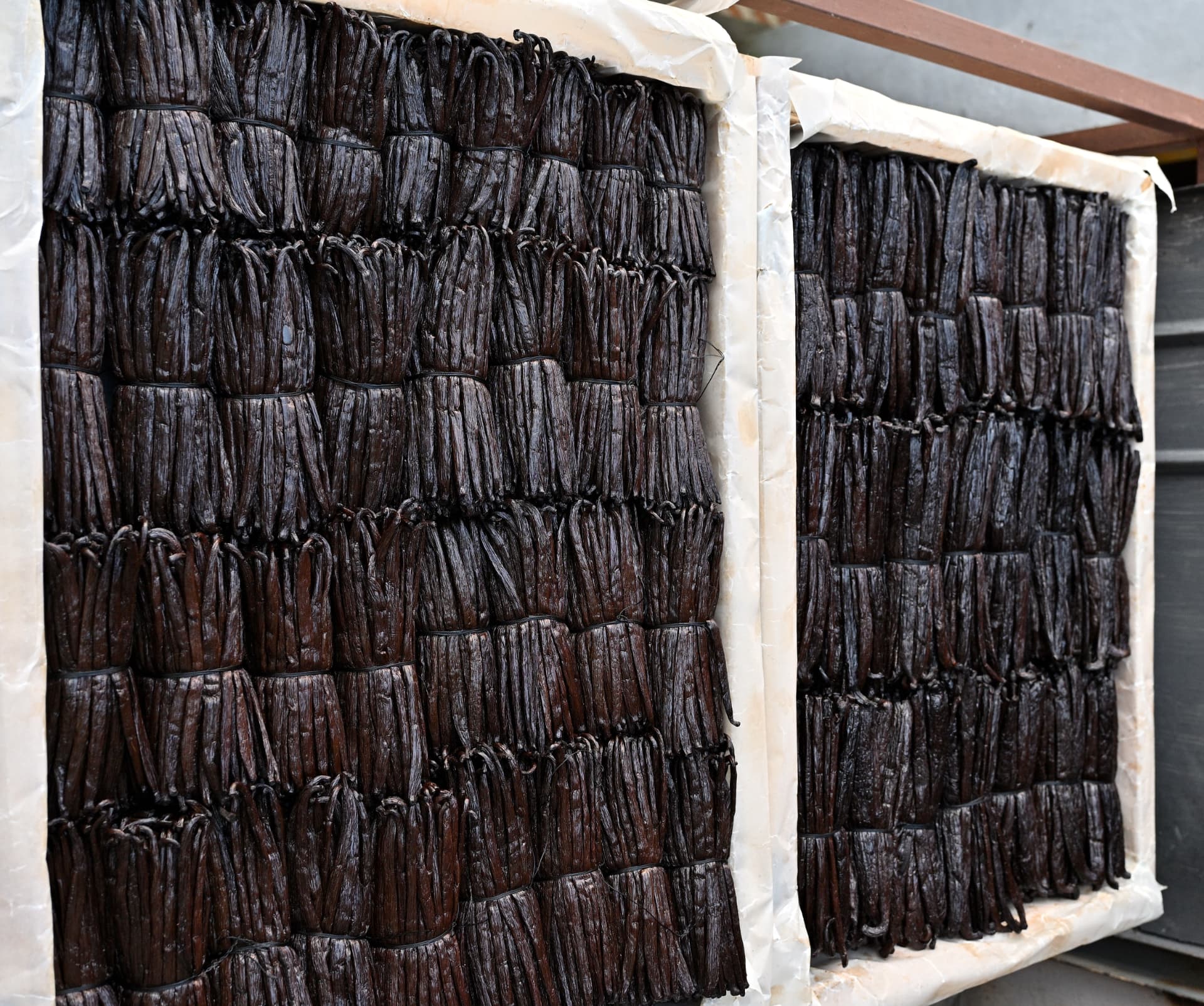
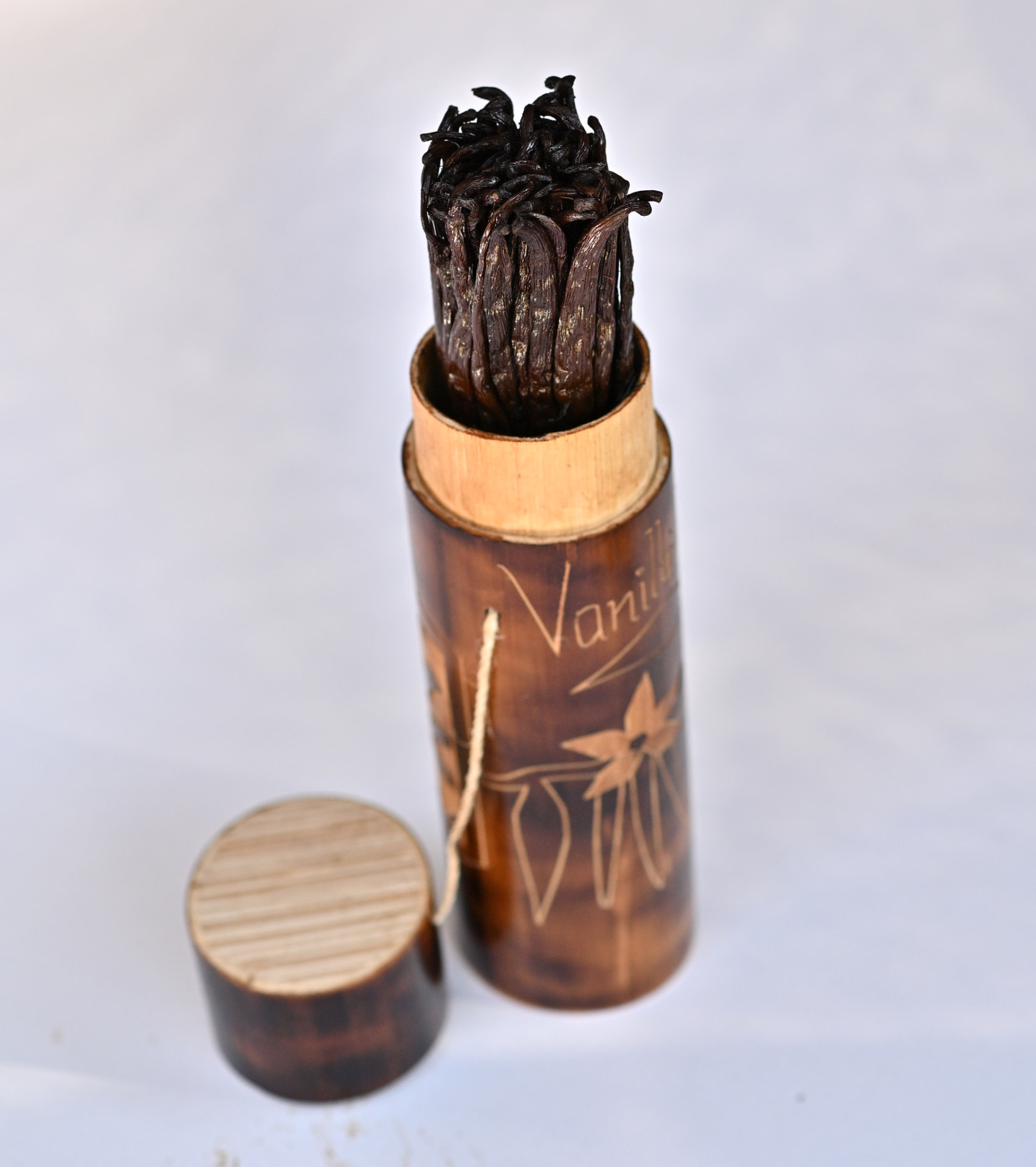
Harvesting vanilla beans is only the beginning of the process. After picking, the beans undergo a traditional curing process that transforms them from odorless green pods into the dark, fragrant vanilla beans used in cooking.
This transformation involves several stages:
- Blanching to stop the growth of the pod
- Sweating to develop the aroma
- Drying under the sun
- Conditioning for several months to refine the flavor
The entire process can take many months and requires careful monitoring to achieve the ideal balance of aroma, moisture, and texture.
A Spice Crafted by Human Hands
Unlike many other agricultural products, vanilla production relies heavily on human expertise. From pollination and harvesting to curing and sorting, nearly every step is performed manually. This dedication and craftsmanship are what give authentic vanilla its distinctive character.
Behind each vanilla bean are farmers and communities who have perfected these techniques over generations.
From Madagascar to Kitchens Around the World
Today, Madagascar vanilla has become a symbol of quality and authenticity in the culinary world. Whether used in pastries, gourmet desserts, or artisanal recipes, its rich and natural flavor continues to inspire chefs and home cooks alike.
At M-Vanilla, we proudly share this remarkable heritage by sourcing premium vanilla directly from farmers in the SAVA region. By bringing this exceptional ingredient to customers worldwide, we aim not only to deliver authentic flavor but also to support the communities that cultivate this extraordinary spice.