6 min read
Natural Vanilla vs Artificial Vanilla: What's the Difference?
Why real vanilla — grown, hand-pollinated, and slowly cured — is nothing like the synthetic vanillin found in mass-produced foods.
Vanilla is one of the most popular flavors in the world, widely used in desserts, baked goods, beverages, and gourmet dishes. However, not all vanilla products are the same. When shopping for vanilla, you will often find two main options: natural vanilla and artificial vanilla flavoring.
Understanding the difference between these two can help you choose the best ingredient for your recipes and appreciate why natural vanilla is considered the superior option.
What Is Natural Vanilla?
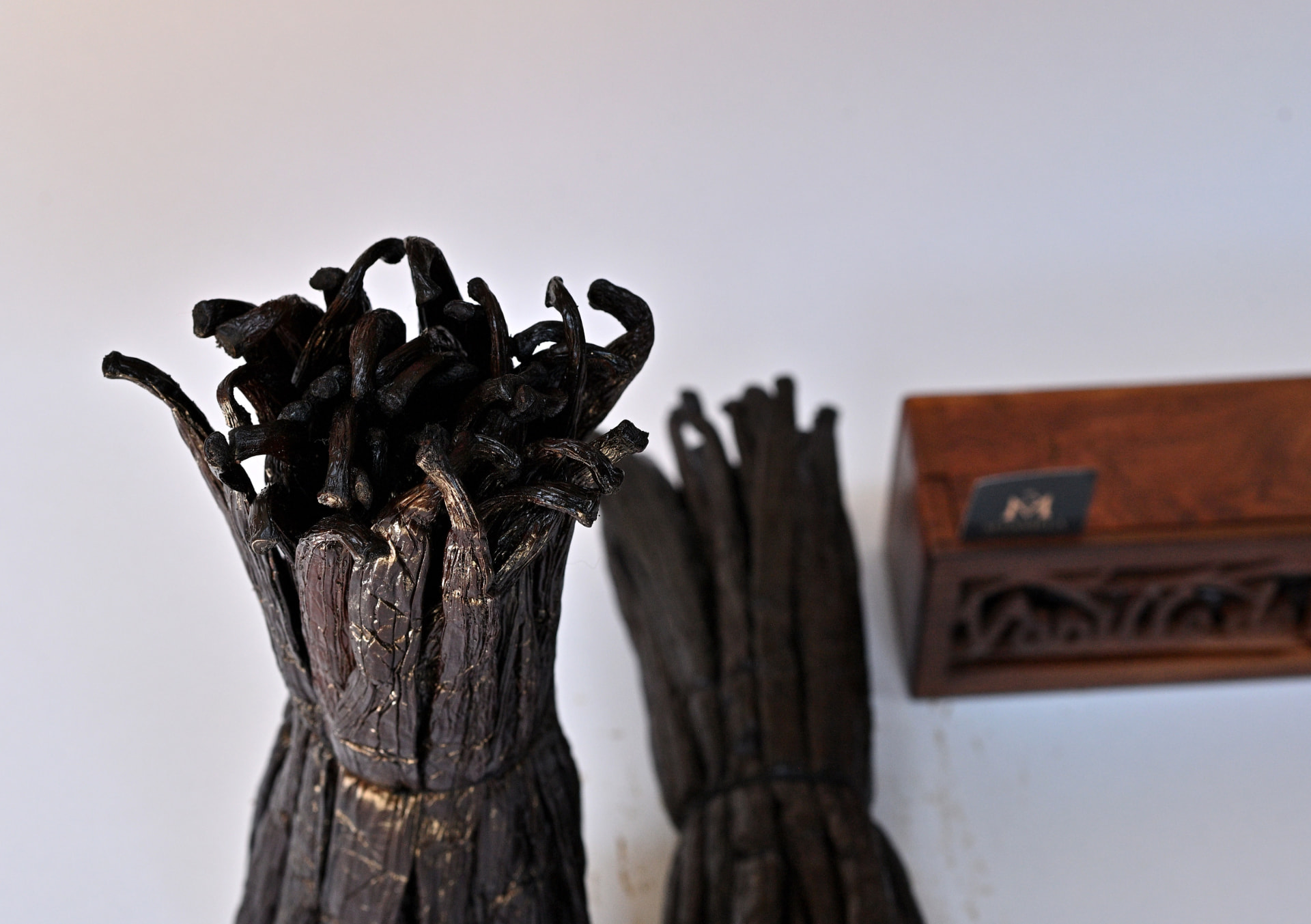
Natural vanilla comes directly from the vanilla orchid, a tropical plant that produces long green pods known as vanilla beans. These beans contain thousands of tiny seeds that are responsible for the rich aroma and complex flavor associated with real vanilla.
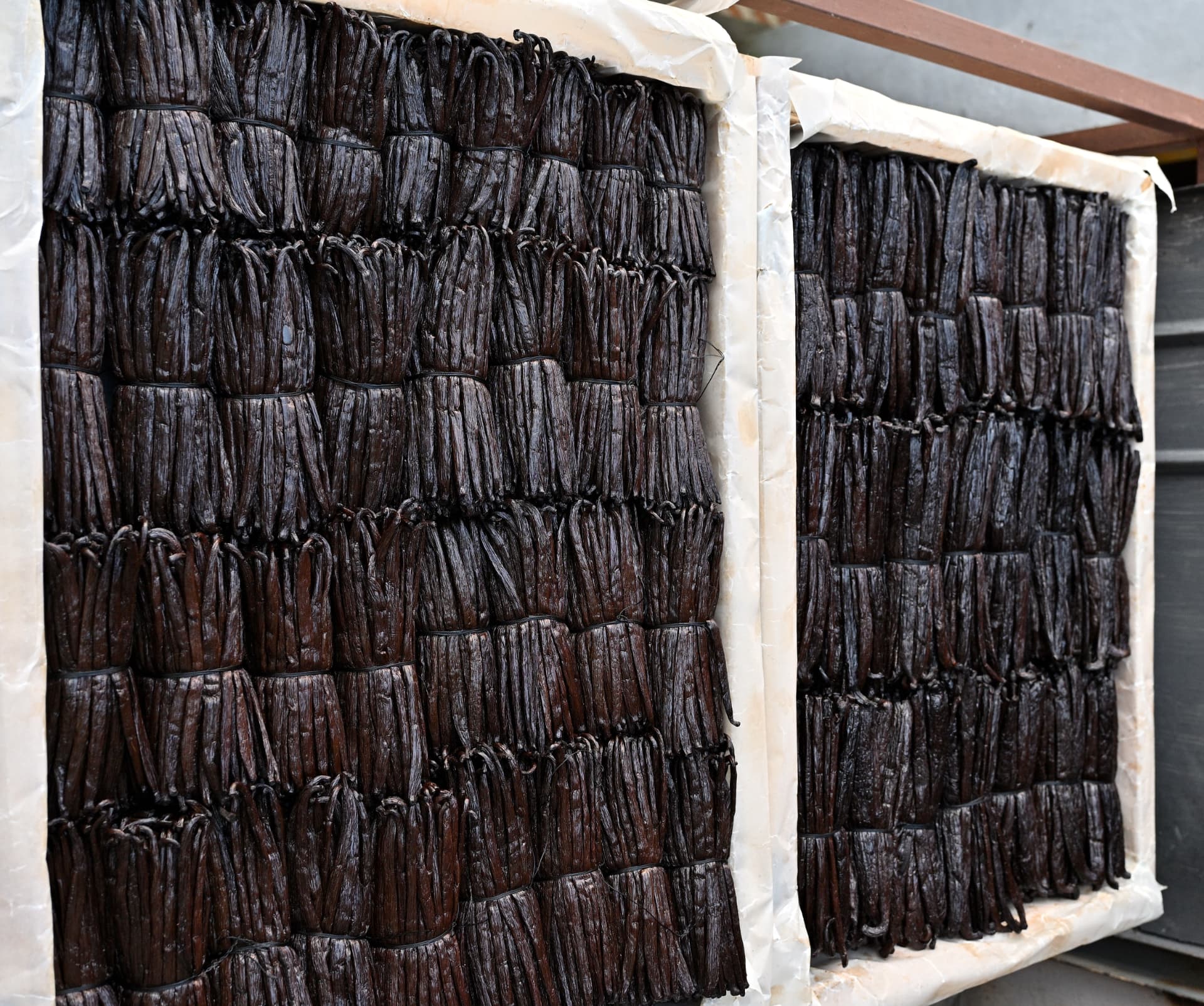
Producing natural vanilla is a meticulous and time-consuming process. Each vanilla flower must be pollinated by hand, and the harvested beans go through a careful curing process that can take several months. During this time, the beans develop their characteristic dark color, soft texture, and rich fragrance.
Natural vanilla products may come in several forms, including:
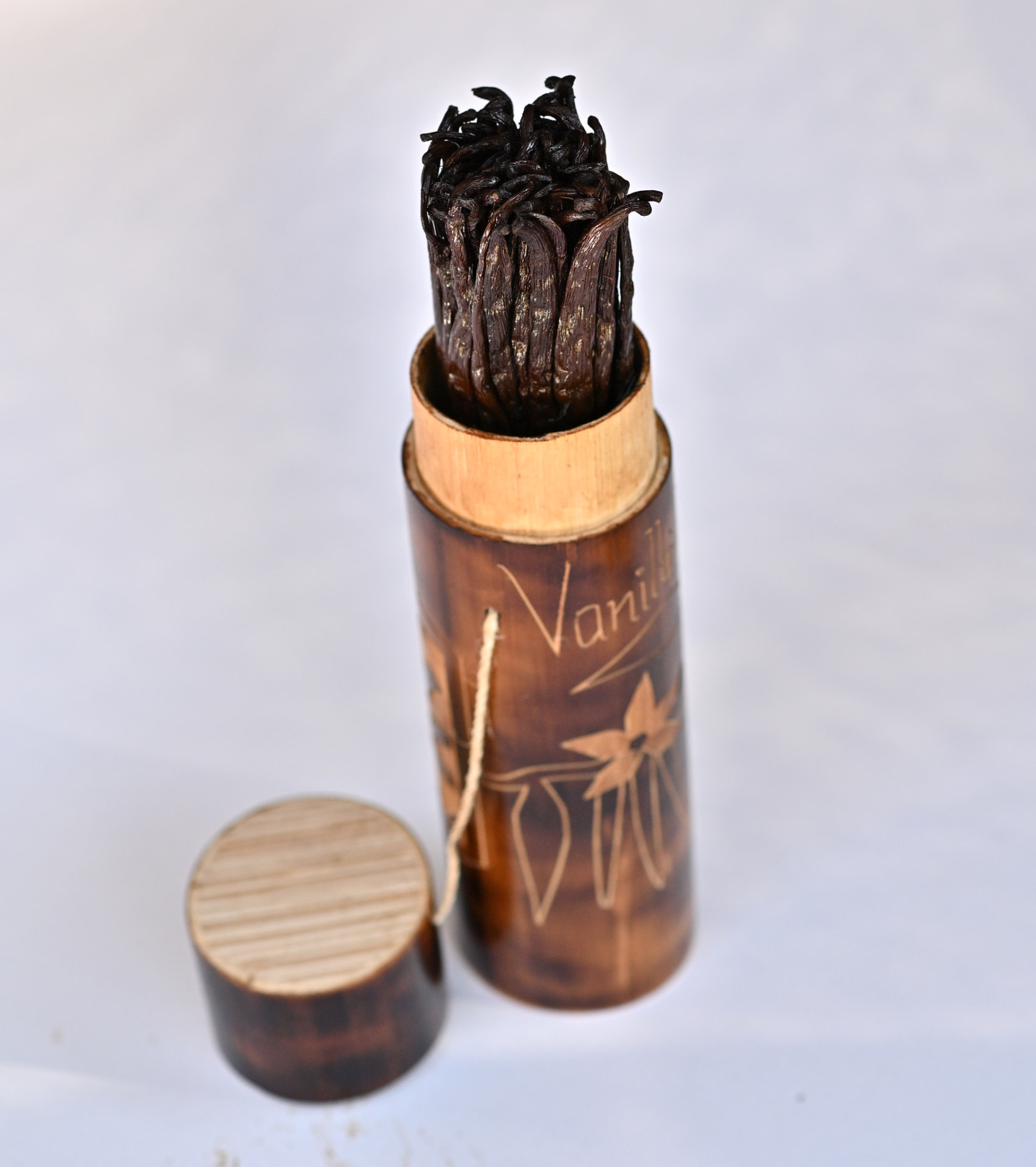
- Whole vanilla beans
- Vanilla extract
- Vanilla powder
- Vanilla caviar (the seeds inside the bean)
What makes natural vanilla truly special is its complex flavor profile, which contains hundreds of natural aromatic compounds. These compounds create layers of flavor often described as creamy, floral, sweet, and slightly chocolatey.
What Is Artificial Vanilla?
Artificial vanilla, often labeled as vanillin, is a synthetic flavor created in laboratories to imitate the taste of natural vanilla.
Vanillin is the primary compound responsible for the vanilla flavor, and scientists have found ways to produce it using chemical processes. Artificial vanilla flavoring is significantly cheaper to manufacture than natural vanilla, which is why it is widely used in mass-produced foods.
Unlike natural vanilla, artificial vanilla typically contains only one main flavor compound, which gives it a simpler and less complex taste.
Key Differences Between Natural and Artificial Vanilla
- Flavor complexity: natural vanilla contains hundreds of flavor compounds that create a rich and nuanced taste, while artificial vanilla usually replicates only one compound, resulting in a flatter flavor.
- Production process: natural vanilla requires months of careful cultivation, pollination, harvesting, and curing; artificial vanilla is produced quickly through industrial chemical processes.
- Aroma: real vanilla offers a warm, deep, and layered aroma, whereas artificial vanilla tends to have a sharper and more one-dimensional scent.
- Price: natural vanilla is more expensive due to the labor-intensive production process, while artificial vanilla is much cheaper to produce.
Why Chefs Prefer Natural Vanilla
Professional chefs and pastry experts overwhelmingly prefer natural vanilla because of its authentic taste and superior aroma. When used in desserts, baked goods, or gourmet recipes, natural vanilla enhances other ingredients and adds depth to the final dish.
Whole vanilla beans, in particular, are highly valued because the tiny seeds inside the pod provide both flavor and visual appeal in recipes such as custards, ice cream, and pastries.
Choosing the Right Vanilla for Your Kitchen
While artificial vanilla may be suitable for some mass-produced products, natural vanilla remains the preferred choice for anyone seeking authentic flavor and high-quality ingredients.
Whether you are a professional chef or a home baker, using real vanilla can elevate your recipes and deliver a more refined culinary experience.
From its delicate orchid origins to the careful craftsmanship required to produce it, natural vanilla is more than just a flavor — it is a true gourmet ingredient appreciated around the world.